Battery Swapping: How the Model Works
How battery swapping works for EVs in India, and what it means for battery design.
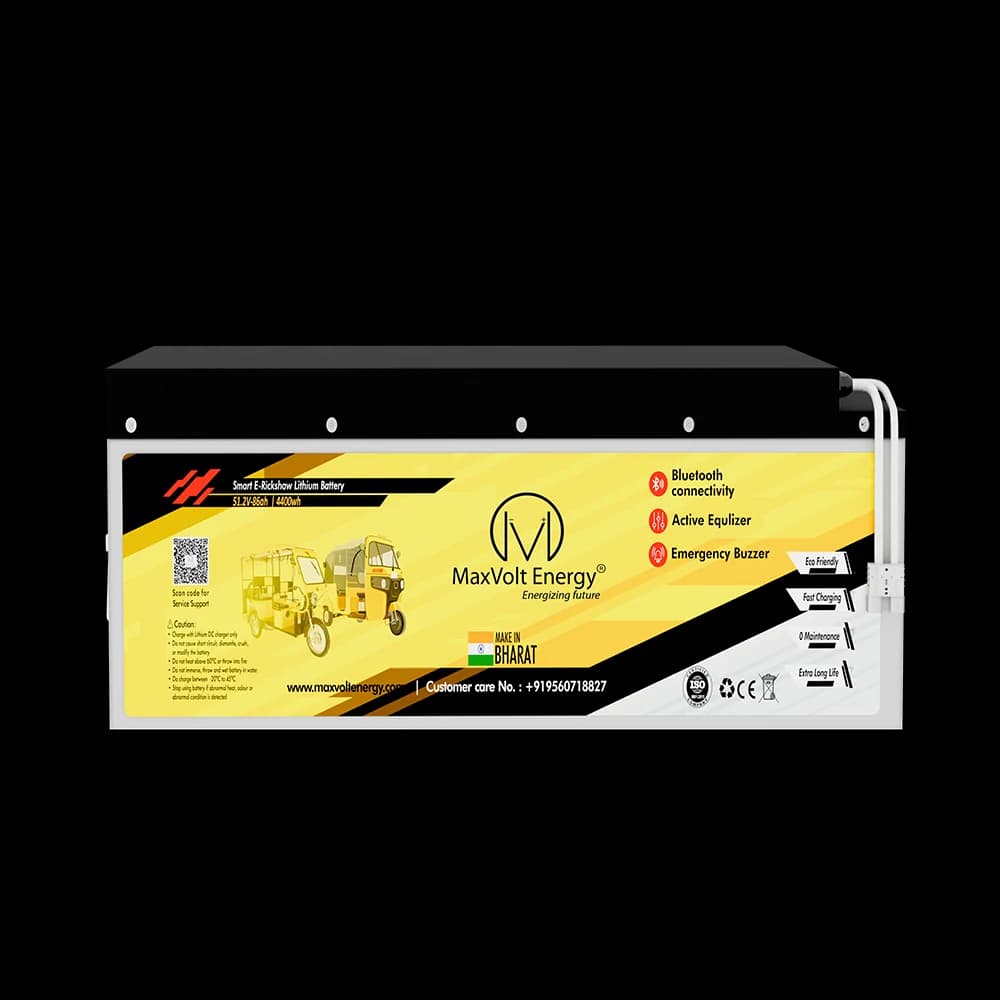
Battery swapping replaces the wait-to-charge model with a wait-to-swap model: instead of plugging in and waiting hours, a depleted battery is exchanged for a fully charged one at a swap station in minutes. It's gained particular traction in India's e-rickshaw and last-mile delivery segments, where vehicle uptime directly drives operator income.
Why swapping suits commercial EV fleets
For a driver or fleet operator whose income depends on hours on the road, a 3-5 minute battery swap versus a multi-hour charge is a meaningful difference in daily earning capacity. Swapping also decouples the vehicle's battery from its purchase price (batteries are often leased or subscription-based rather than owned), lowering the upfront cost of the vehicle itself.
What swapping requires from battery design
Swappable batteries need standardized physical form factors and connectors (so any compatible battery fits any compatible vehicle at a station), robust BMS communication protocols (so the station can verify battery health before dispensing it), and a design built for frequent physical handling and connection cycles — different demands than a battery permanently installed in one vehicle.
The standardization challenge
India's battery-swapping ecosystem currently involves multiple operators and vehicle OEMs, each with somewhat different form factors and interfaces — a lack of industry-wide standardization that limits interoperability between networks. Government and industry bodies have discussed common swapping standards, though full standardization across the market is still developing.
Frequently Asked Questions
Is battery swapping cheaper than owning a battery outright?
Often the vehicle purchase price is lower since the battery is leased/subscription-based rather than owned outright, but ongoing swap-station fees or subscription costs need to be compared against outright ownership's charging and replacement costs for your specific usage pattern.
Do all e-rickshaw batteries work at any swap station?
No — swapping requires the vehicle and station to use compatible battery form factors and connectors, which currently vary between operators. Check compatibility with your specific vehicle before relying on a particular swap network.
Is swapping better than fast-charging for e-rickshaws?
Swapping offers faster turnaround (minutes vs hours even with fast charging), but requires access to a swap station network in your operating area — fast home/depot charging remains a viable and simpler alternative where dense swap infrastructure isn't yet available.
Have a Question About Battery Swapping Business Model in India?
Talk to our team for sizing help, pricing, or technical guidance — no obligation.