2-Wheeler vs 3-Wheeler Lithium Batteries: What's Actually Different
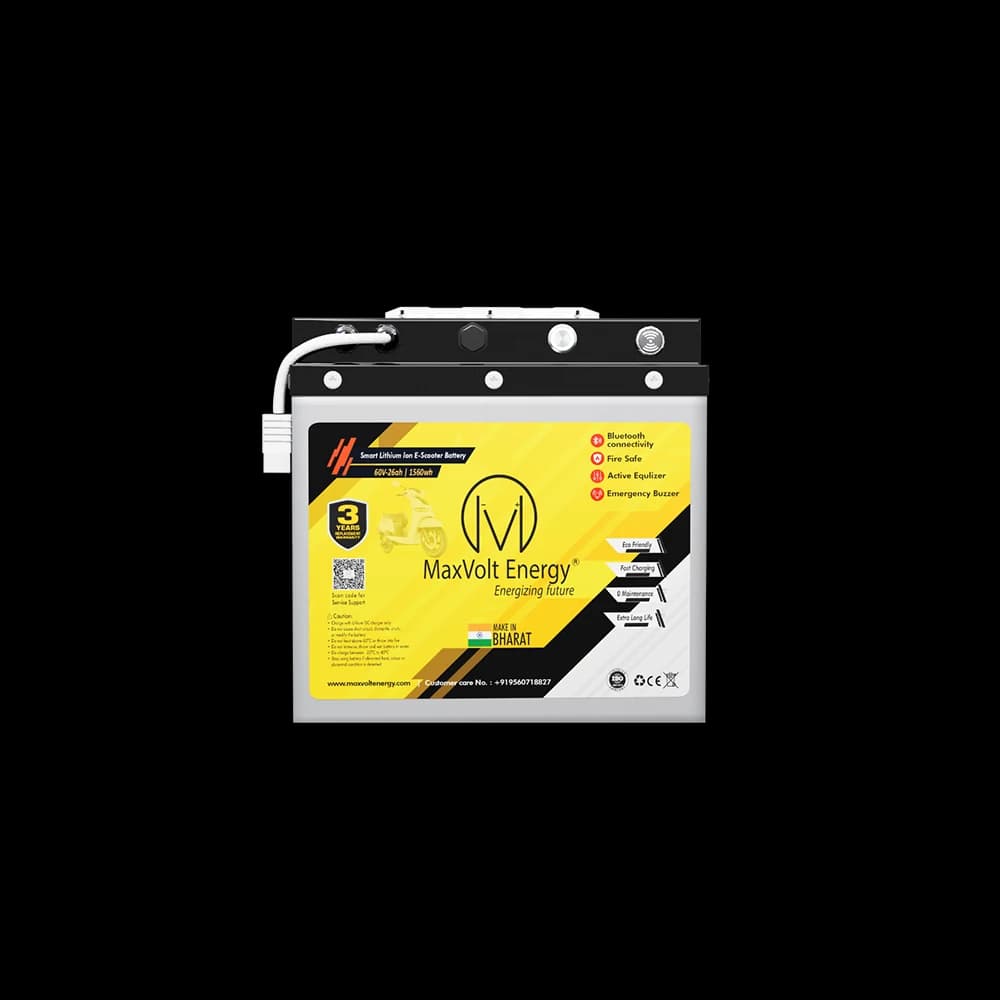
E-scooter and e-rickshaw batteries are often grouped together as "EV batteries," but the two-wheeler and three-wheeler categories have genuinely different requirements. Here's what changes.
"2-wheeler lithium battery" and "3-wheeler lithium battery" are the terms fleet buyers and OEMs often search for, even though on a product page they usually show up as "e-scooter battery" and "e-rickshaw battery." The categories overlap in chemistry but differ in real, practical ways.
Two-wheeler (e-scooter and e-bike) batteries prioritize weight and energy density, since every kilogram directly affects range, handling and rider comfort. This is why NMC cell chemistry shows up more often in this category — it packs more energy into less weight than LiFePO4, a real advantage when the battery is carried by a single rider rather than a heavier three-wheeled chassis. Voltage in this category commonly runs 48V–74V, matched to compact hub or mid-drive motors.
Three-wheeler (e-rickshaw and light commercial EV) batteries prioritize cycle life and thermal stability over raw weight savings, because these vehicles are typically used for daily commercial income — multiple trips a day, every day, for years. LiFePO4 dominates here for exactly that reason: its longer cycle life and better thermal stability under sustained daily cycling outweigh NMC's weight advantage, especially given a three-wheeler's larger chassis has more room to carry a slightly heavier pack. Voltage commonly runs higher too — 51V-class packs are the de facto standard for the Indian e-rickshaw ecosystem.
Charging infrastructure and duty cycle differ as well. A two-wheeler is often charged overnight at home, so charge speed matters less. A three-wheeler used commercially benefits far more from fast charging (2–3 hours) since less charging downtime directly means more paid trips per day — which is why fast-charge capability gets marketed so heavily in that category specifically.
The practical upshot for buyers: don't assume a two-wheeler battery spec sheet tells you anything useful about what a three-wheeler needs, or vice versa. Match chemistry and voltage to the vehicle category first, then compare capacity within that category based on your actual daily distance or route.