Battery Chemistry 101: LFP, NMC and Lead-Acid Explained for Beginners
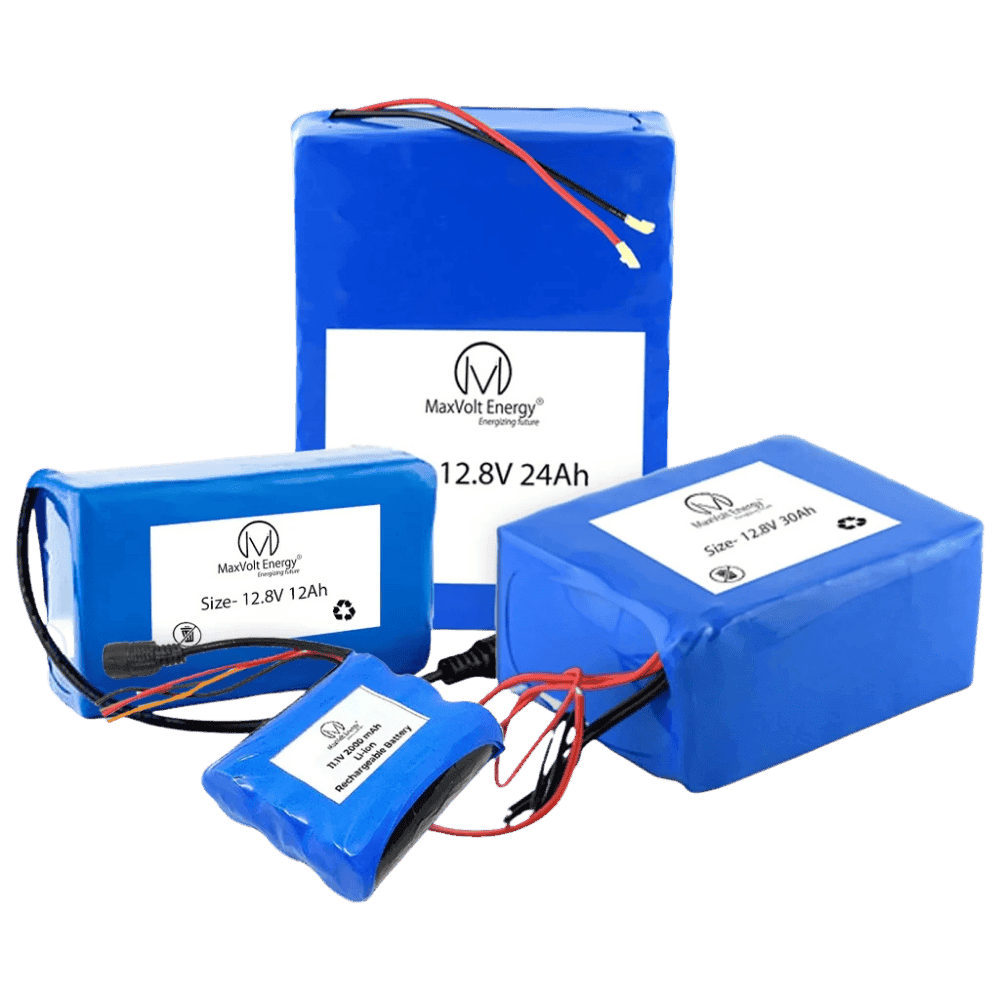
LiFePO4, NMC, lead-acid — the names get thrown around constantly, but what do they actually mean? A plain-English introduction to the three chemistries you'll encounter most.
If you've shopped for a battery recently, you've probably run into a wall of acronyms — LFP, NMC, lead-acid, SMF — with little explanation of what actually separates them. Here's the beginner-friendly version.
Lead-acid is the oldest of the three, and the chemistry behind traditional car batteries and tubular inverter batteries. It works by a chemical reaction between lead plates and a sulfuric-acid electrolyte. It's inexpensive and well understood, but it's heavy for the energy it stores, needs regular maintenance in its flooded form, and wears out after a few hundred charge cycles.
LiFePO4 (Lithium Iron Phosphate, often shortened to LFP) is a lithium-ion chemistry built around safety and longevity. It's more thermally stable than other lithium chemistries, tolerates being fully charged or deeply discharged without much stress, and typically delivers thousands of cycles rather than hundreds. This is why it's become the standard choice for e-rickshaws, solar storage and inverter batteries — applications where daily cycling and long service life matter more than squeezing out every last gram of energy density.
NMC (Nickel Manganese Cobalt) is a different lithium-ion chemistry, optimized for energy density — meaning it packs more energy into less weight and volume than LFP. That makes it attractive for e-scooters and other applications where every kilogram affects range and handling. The trade-off is a somewhat shorter cycle life and generally less thermal headroom than LFP, so NMC packs lean more heavily on a well-engineered BMS to stay within safe operating limits.
None of these three is universally "best" — each is a genuine trade-off between cost, weight, cycle life and thermal behaviour. A tubular inverter battery, an e-scooter pack and a solar storage system all have different priorities, which is exactly why different chemistries dominate different categories rather than one chemistry winning everywhere.
The practical takeaway: when you're comparing batteries, ask what chemistry is inside before comparing price or capacity alone — a lead-acid 100Ah battery and an LFP 100Ah battery are not remotely the same product, even though the spec sheet number matches.