Golf Cart and Specialty EV Lithium Batteries: Campus Shuttles, GSE and More
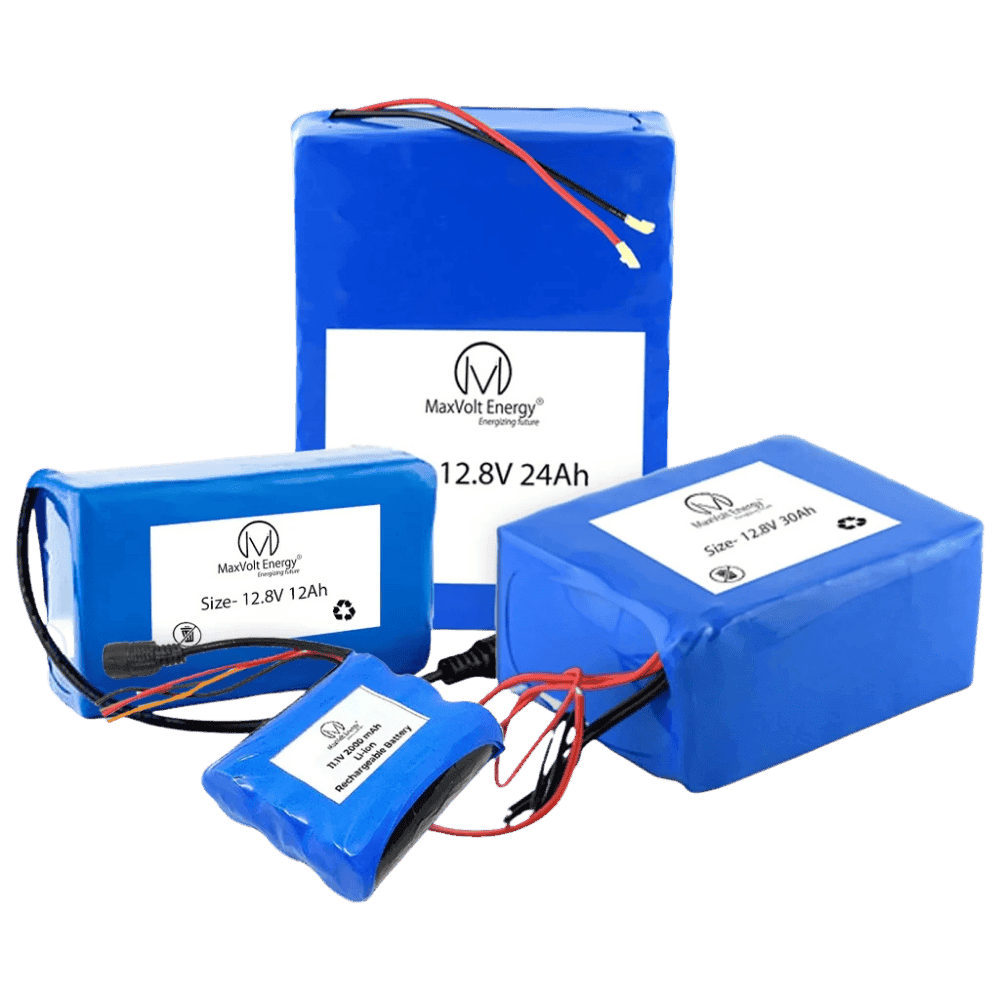
Golf carts, campus shuttles and airport ground support equipment share a category of low-speed, high-utilization electric vehicles with real lithium battery requirements of their own.
Golf carts, campus shuttles and airport ground support equipment (GSE) don't get the attention that e-scooters or e-rickshaws do, but they form a real and growing category of specialty low-speed electric vehicles — and their battery requirements are distinct enough to matter.
These vehicles typically run 48V–72V systems with capacity in the 20Ah–100Ah range, sized to the vehicle's duty cycle rather than a one-size-fits-all standard. A resort golf cart used for a few rounds a day has very different requirements than a campus shuttle running continuous loops for 10+ hours, or airport GSE that has to be reliably available on tight aircraft-turnaround schedules with essentially zero tolerance for unexpected downtime.
Outdoor operating conditions push specific engineering requirements: IP-rated sealing against dust and moisture matters far more here than in an indoor application, since these vehicles operate outdoors in all weather, often on grass, gravel or tarmac rather than a controlled surface. Long cycle life matters just as much — a vehicle in continuous daily commercial or institutional use, much like an e-rickshaw, needs a pack that holds up to thousands of cycles rather than hundreds.
Because this category spans such different vehicle types and utilization patterns, it's a genuinely custom-engineering exercise rather than a standard product line — voltage, capacity, form factor and sealing all get specified around the actual vehicle and its usage pattern, the same way medical device or industrial packs are engineered to spec rather than sold off a shelf.
For operators of golf-cart fleets, campus mobility programs or airport ground support equipment, the underlying question is the same as any other lithium upgrade: does the higher upfront cost pay back through fewer replacements, less charging downtime, and more consistent daily availability than a lead-acid alternative — and for vehicles in continuous, income-critical or schedule-critical use, it usually does.