Lithium Batteries for Agricultural Spray Drones
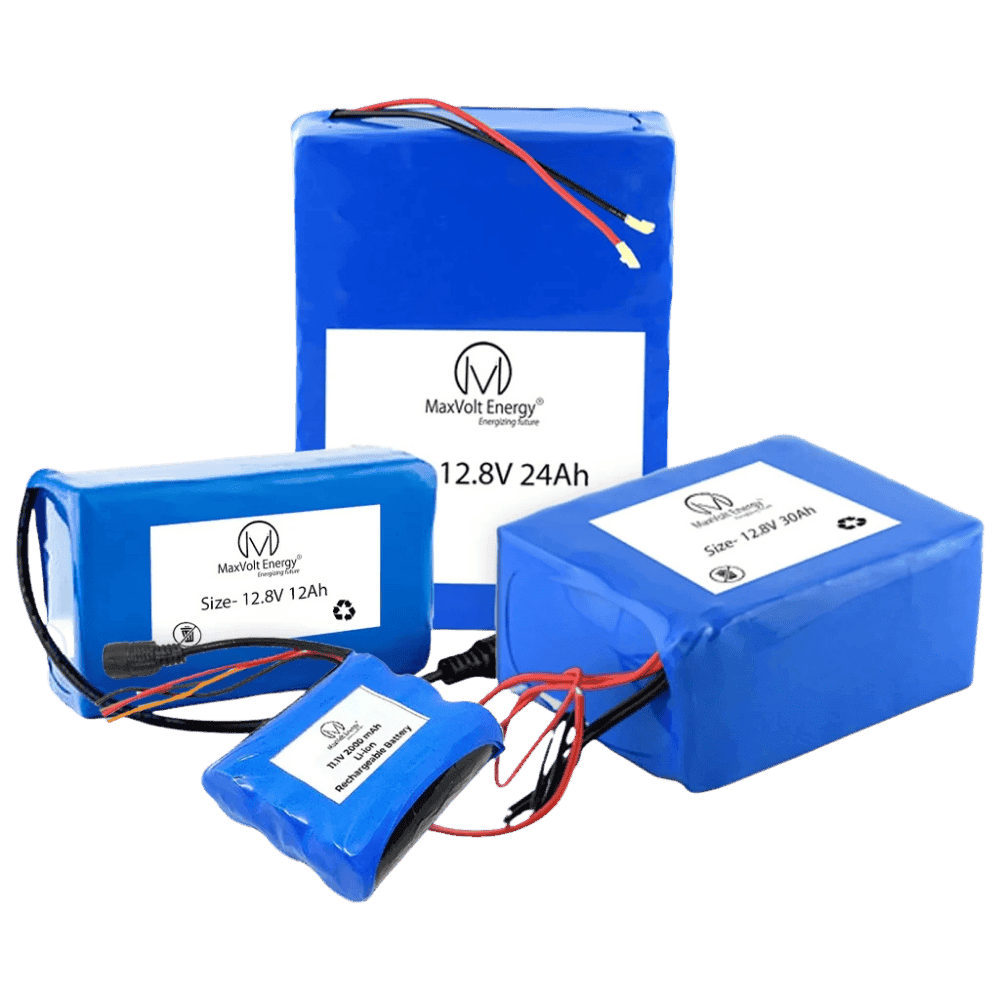
Agricultural drones need batteries that are light, deliver high discharge current, and hold up to repeated daily flights in field conditions. Here's what that requires.
Agricultural spray drones are one of the more demanding lithium battery applications in practice — every gram of pack weight is range and payload capacity a farmer doesn't get, every flight demands a high, sudden discharge current for lift and hover, and a working drone fleet needs to fly, land, recharge and fly again multiple times in a single day during spraying season.
Weight is the first constraint. Unlike a stationary inverter battery, a drone battery's weight directly subtracts from either flight time or the volume of spray payload it can carry — so pack design has to balance capacity against every extra gram, using lightweight casing and precise cell selection rather than just maximizing Ah.
Discharge rate (C-rating) matters more here than in almost any other custom application. Lift-off and hover draw a sharp, high-current load that a battery has to deliver instantly without excessive voltage sag or heat buildup — which is why drone-application packs are engineered for high discharge rate (commonly in the 30–50C range for burst applications) rather than the steadier draw of an inverter or e-rickshaw pack.
Field conditions add another layer: dust, vibration during flight, heat exposure during Indian summer spraying seasons, and the reality that a farm operation can't always wait for a slow charge between flights. A pack built for this use needs sealed protection, vibration resistance, and fast-charge capability so a drone fleet can complete its flight schedule for the day without long gaps.
This is a genuinely custom-engineering category rather than an off-the-shelf product — voltage, capacity, discharge rate and physical form factor all need to be matched to the specific drone platform and payload, which is why agricultural drone batteries are typically built to spec rather than picked from a standard catalog.