Lithium Battery Advantages and Disadvantages: An Honest Look
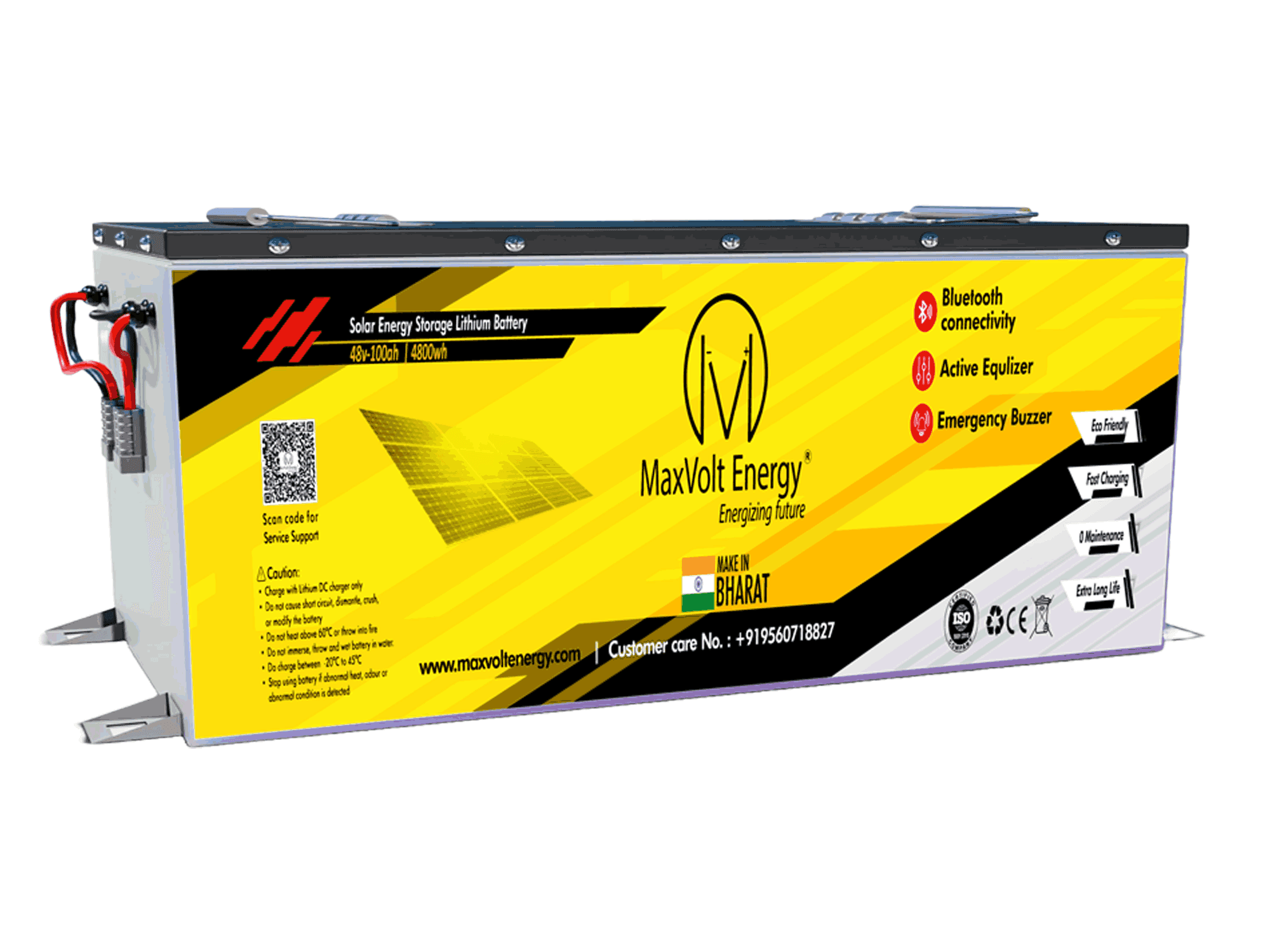
Lithium batteries aren't perfect for every situation — just usually the better trade-off. Here's a balanced look at where they genuinely win, and where they don't.
Lithium batteries get marketed as an unambiguous upgrade over older chemistries, and in most everyday applications they are — but a genuinely useful buying decision looks at both sides honestly.
The advantages are substantial and well documented. Lithium (particularly LiFePO4) batteries typically deliver several times more charge cycles than lead-acid — often 2,000–3,500+ versus 300–500 — which directly lowers the effective cost per cycle over the battery's life, even at a higher upfront price. They charge significantly faster, support a much higher usable depth of discharge, need zero routine maintenance (no water top-ups, no terminal corrosion), and weigh meaningfully less for the same usable energy. For anything cycled daily — an e-rickshaw, an inverter battery, a fleet vehicle — these advantages compound quickly.
The disadvantages are real too, and worth naming plainly. Upfront cost is higher than lead-acid for equivalent nameplate capacity, which matters for genuinely budget-constrained buyers or low-cycling applications where lead-acid's shorter lifespan is less of a practical drawback. Lithium cells are also more sensitive to manufacturing quality — a poorly engineered pack with a weak BMS carries more safety risk than a poorly made lead-acid battery typically does, which is exactly why certification (AIS 156 for EV applications, ISO 9001 for manufacturing) matters more with lithium than it ever did with lead-acid. And extreme temperature exposure, while better tolerated by LiFePO4 than by NMC, still affects any lithium chemistry's long-term health more than it affects lead-acid's simpler, more forgiving behaviour.
So when does lead-acid still make sense? Genuinely low-cycling, budget-first, short-planning-horizon situations — a rarely-used backup system, a very tight upfront budget — where lithium's total-cost-of-ownership advantage doesn't have enough cycles to pay off before the equipment itself is replaced.
For nearly everything cycled regularly — daily commercial use, home backup power, solar storage — the numbers favor lithium clearly enough that the higher upfront cost isn't really a disadvantage so much as a different, usually better, way to pay for the same energy over time.