Grade A vs Grade B Lithium Cells
What cell grading means and why it matters for battery safety and lifespan.
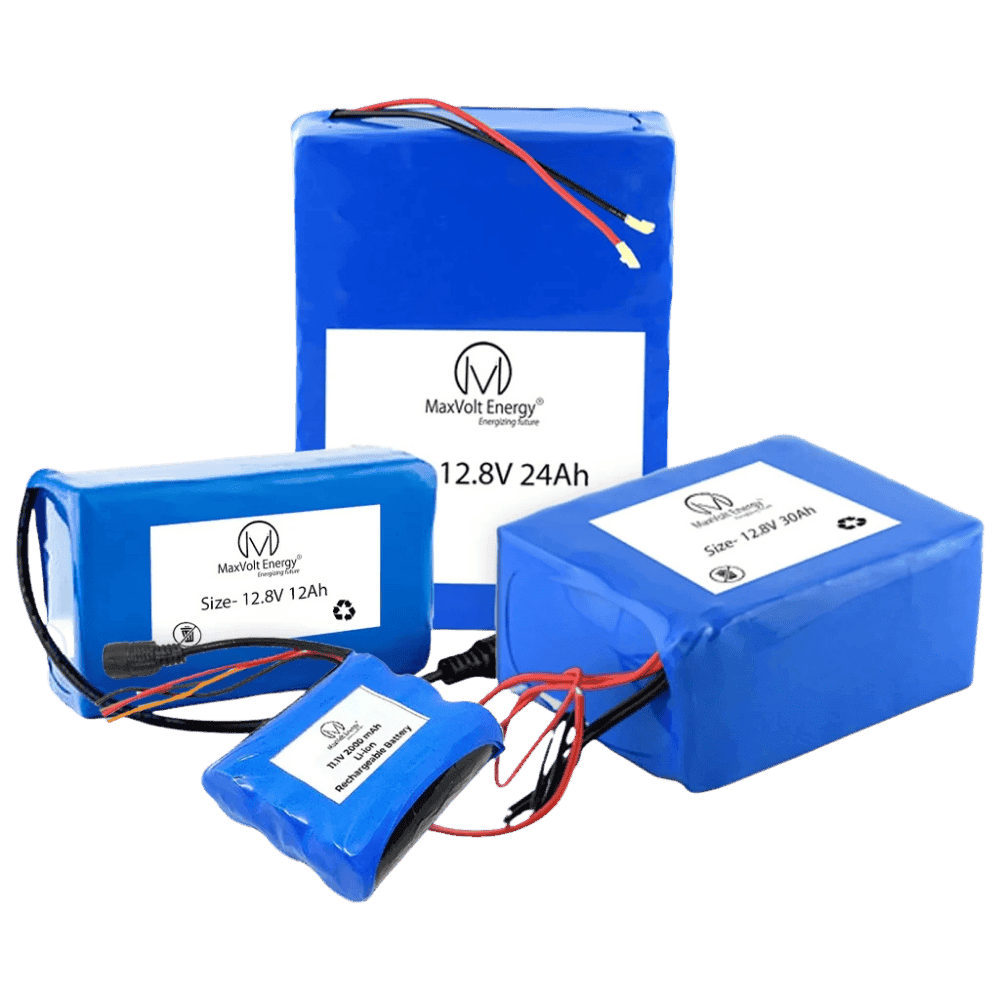
Not every lithium cell that comes off a manufacturing line is identical — cells are sorted ("graded") based on how closely they match target specifications for capacity, internal resistance, and physical consistency. This grading directly affects the safety, consistency and lifespan of the battery pack built from them.
What Grade A actually means
Grade A cells meet the manufacturer's full specification within tight tolerances — consistent capacity, low internal resistance, no physical defects. Packs built entirely from Grade A cells perform predictably and evenly across all cells, which matters because a pack's usable capacity and safety are limited by its weakest cell, not its average one.
What Grade B and C cells are, and where they end up
Grade B cells fall slightly outside top-tier tolerances — often still functional and safe within their tested range, but less consistent, and typically sold at a discount into lower-cost or lower-stakes applications. Grade C (or lower) cells may have more significant defects and are generally unsuitable for safety-critical applications like EV traction batteries.
The core risk with lower-grade or unsorted ("scrap" or "gutter") cells isn't that they never work — it's inconsistency: uneven aging, unpredictable capacity fade, and elevated failure risk within a pack, especially under the daily stress of EV or backup-power use.
How to check what's actually inside a battery
Reputable manufacturers disclose cell sourcing and grading on request, and hold relevant certifications (AIS 156 for EV batteries in India requires testing that low-grade, inconsistent cells typically cannot reliably pass). A price significantly below the market range for a given voltage/Ah combination is a reasonable signal to ask directly about cell grade and certification before buying.
Frequently Asked Questions
Can I tell cell grade just by looking at a battery?
No — grading is an internal manufacturing quality distinction, not visible externally. You have to rely on the manufacturer's disclosure, certification, and warranty terms as proxies for cell quality.
Are Grade B cells always unsafe?
Not necessarily unsafe if used within their tested specifications, but they're less consistent than Grade A — for safety-critical applications like EV traction batteries, Grade A cells with proper certification are the safer standard.
Why would a battery with lower-grade cells be cheaper?
Lower-grade cells cost less to source, letting a manufacturer offer a lower price — but this often comes with reduced consistency, shorter effective lifespan, and higher failure risk, which is a real trade-off, not free savings.
Have a Question About Grade A vs Grade B Lithium Cells Explained?
Talk to our team for sizing help, pricing, or technical guidance — no obligation.