Types of Batteries in India: A Complete Guide
Every major battery type used in India explained plainly — how each works, where it's used, and how to pick the right one.
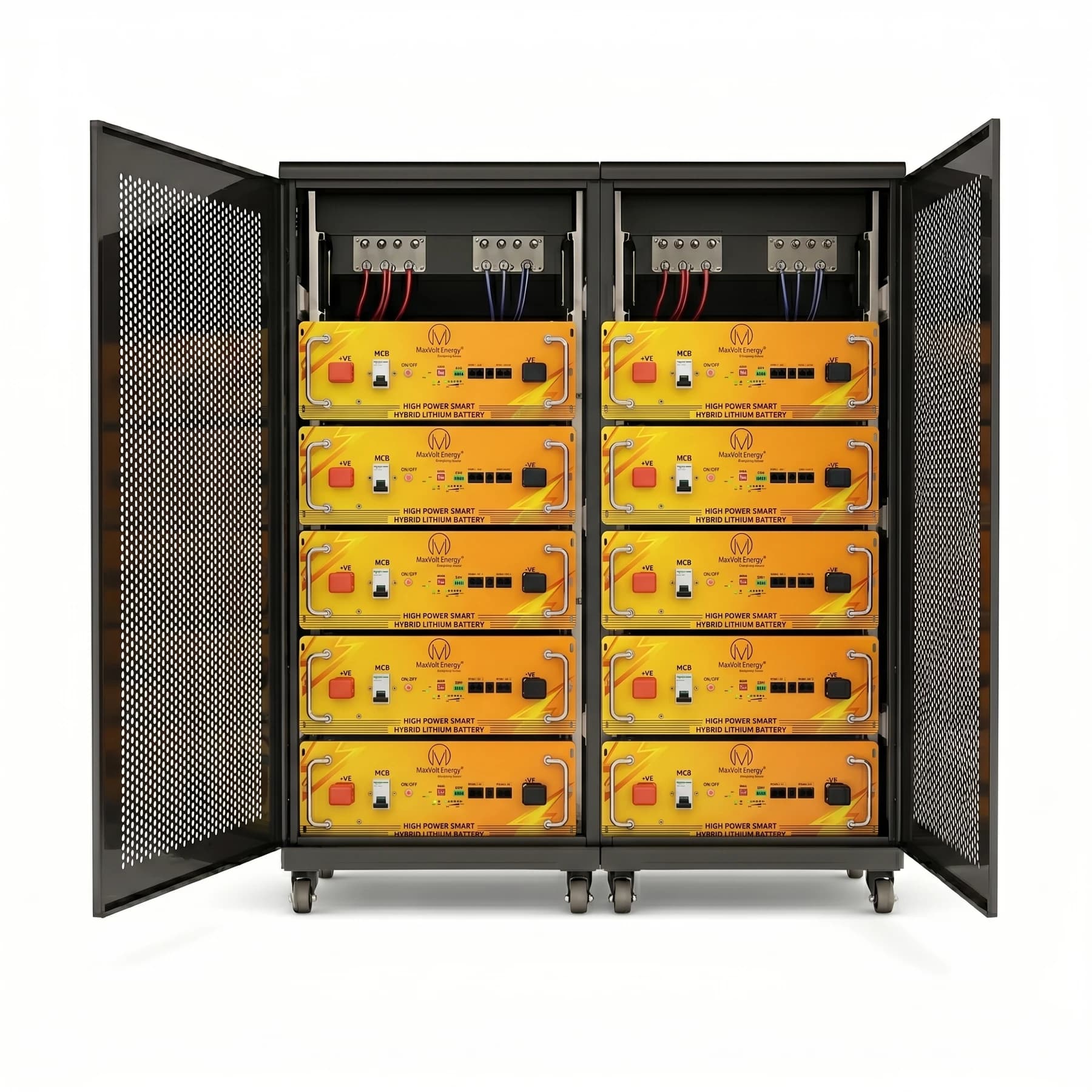
Walk into any battery shop in India and you'll hear a mix of terms — tubular, flooded, SMF, AGM, gel, lithium, LiFePO4 — often used loosely or interchangeably. They're not the same thing, and the differences directly affect maintenance, lifespan and total cost. This guide covers what each type actually is, in plain terms.
Flooded Lead-Acid (Wet Cell)
The oldest and cheapest rechargeable battery chemistry still in wide use — car batteries, older inverter batteries, and tubular batteries are all variants of flooded lead-acid. It works by submerging lead plates in a liquid sulfuric-acid electrolyte; a chemical reaction between the plates and electrolyte stores and releases energy.
Flooded batteries need periodic water top-ups (the electrolyte evaporates during charging) and proper ventilation (they release hydrogen gas). Tubular batteries are a flooded lead-acid design with tube-shaped plates that resist shedding and last longer than flat-plate flooded batteries — the standard choice for Indian home inverters for decades.
SMF / Maintenance-Free (Sealed Lead-Acid)
SMF (Sealed Maintenance-Free) batteries are lead-acid batteries sealed at the factory — no water top-ups, no acid handling. Most modern car batteries are SMF. The trade-off is a shorter lifespan than a well-maintained tubular battery, since there's no way to top up electrolyte lost over years of use.
AGM (Absorbent Glass Mat)
AGM batteries use a fiberglass mat to absorb and hold the electrolyte instead of leaving it as free liquid — this makes them spill-proof, vibration-resistant and capable of higher discharge rates than flooded batteries. They're common in start-stop cars, UPS systems and some telecom applications, at a higher price point than standard SMF.
Gel Batteries
Gel batteries thicken the electrolyte into a gel using silica, which — like AGM — prevents spillage and allows any-orientation mounting. Gel batteries tolerate deep discharge better than flooded lead-acid but charge more slowly and are sensitive to overcharging, which can damage the gel structure permanently.
Lithium-Ion (LFP / NMC)
Lithium-ion batteries store energy using lithium ions moving between electrodes, rather than a lead-acid chemical reaction. The two chemistries relevant to Indian EV, solar and inverter markets are LiFePO4 (LFP) — safer, longer cycle life, the standard for e-rickshaws and stationary storage — and NMC — higher energy density, common in e-scooters where weight matters. See our LFP vs NMC comparison for the full breakdown.
Lithium packs need no water top-ups, charge in a fraction of the time of any lead-acid variant, and typically last 5-6x longer in cycle count — the reason lithium has become the default for new EVs and is rapidly replacing lead-acid in home inverters and solar storage.
Battery Types at a Glance
| Type | Maintenance | Typical Use | Relative Lifespan |
|---|---|---|---|
| Flooded / Tubular (lead-acid) | Regular water top-up | Home inverters | 1-2 years |
| SMF (sealed lead-acid) | None | Car/two-wheeler starter batteries | 2-3 years |
| AGM | None | Start-stop cars, UPS, telecom | 3-4 years |
| Gel | None | Deep-cycle backup, solar (older installs) | 3-5 years |
| Lithium-ion (LFP/NMC) | None | EVs, e-rickshaws, solar storage, modern inverters | 5+ years |
Frequently Asked Questions
What is the difference between a tubular battery and a normal battery?
A tubular battery is a specific flooded lead-acid design with tube-shaped (rather than flat) plates, which resist shedding and last longer than standard flat-plate flooded batteries. It still needs regular water top-ups like any flooded lead-acid battery.
Is AGM the same as gel battery?
No — both are sealed, spill-proof lead-acid designs, but AGM holds electrolyte in a fiberglass mat while gel thickens it into a gel. AGM tolerates faster charging and higher discharge rates; gel tolerates deeper discharge but is more sensitive to overcharging.
Which battery type lasts the longest?
Lithium-ion (LiFePO4 in particular) typically lasts 5-6x longer in cycle count than any lead-acid variant — 2,000-3,500+ cycles versus 300-500 for flooded lead-acid.
How does a lead-acid battery actually work?
A chemical reaction between lead plates and a sulfuric-acid electrolyte generates and stores electrical energy. Charging reverses the reaction; discharging releases it. This is common to flooded, SMF, AGM and gel lead-acid types — they differ in how the electrolyte is held and sealed, not in the underlying chemistry.
Have a Question About Types of Batteries in India: A Complete Guide?
Talk to our team for sizing help, pricing, or technical guidance — no obligation.