Best Inverter Battery for Home Backup
How to choose the right inverter battery for your home — tubular vs lithium, sizing, cycle life, and real running cost.
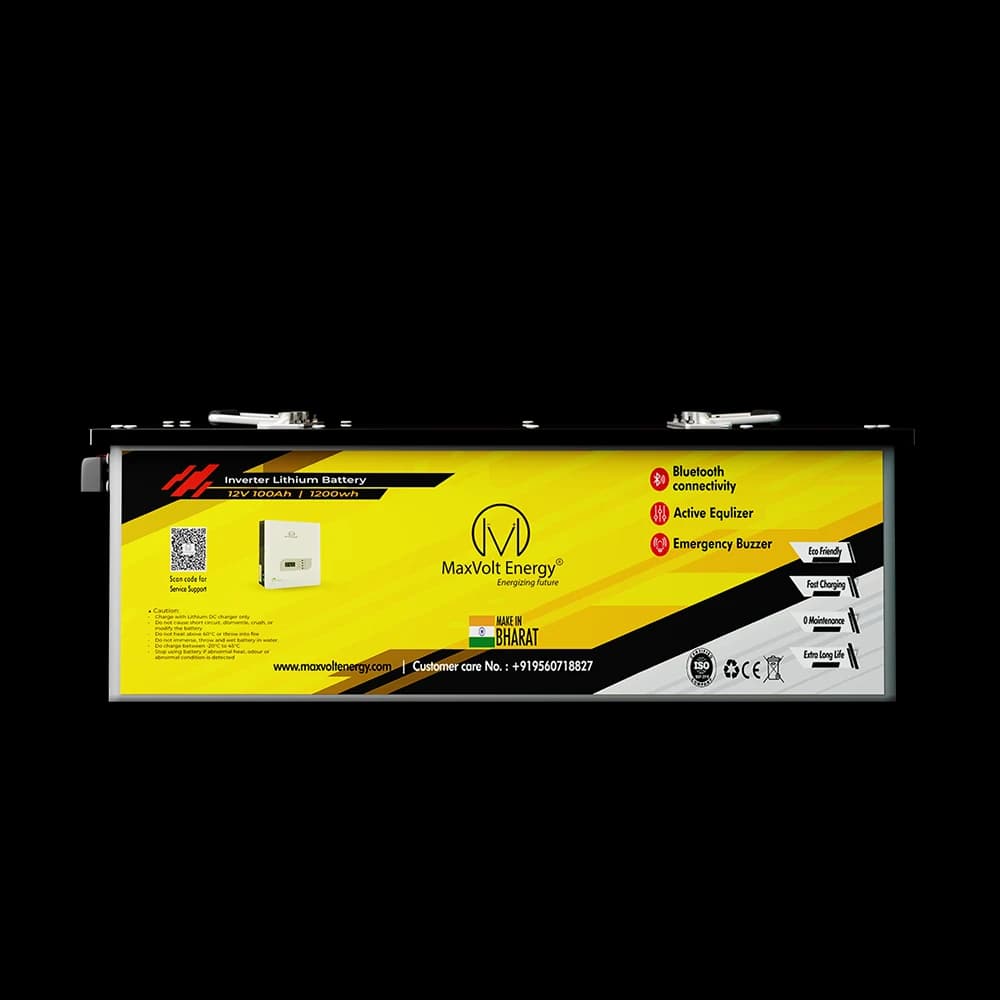
"Best inverter battery" doesn't have one universal answer — it depends on your backup-hour needs, upfront budget, available space, and how much daily maintenance you're willing to do. This guide walks through the actual decision, not just a brand list.
Tubular lead-acid: the traditional default
Tubular batteries remain common in Indian homes because of lower upfront price and universal compatibility with existing inverters. The trade-offs: monthly water top-ups, a vented space requirement (they release hydrogen gas), a shorter lifespan (typically 1,000-1,500 cycles), and gradual backup-time decline as they age.
Lithium (LiFePO4): the modern option
Lithium inverter batteries like Maxvolt's Home Inverter Battery are compatible with all major inverter brands (no need to replace your existing inverter), deliver 3,000+ cycles versus a tubular battery's 1,000-1,500, run at over 95% round-trip efficiency, need zero water top-ups, and typically include mobile-app monitoring of charge state and health.
The trade-off is a higher upfront price — but because a lithium battery typically outlasts 2-3 tubular battery replacement cycles, the total cost of ownership over 8-10 years is often comparable or lower, not just a premium purchase.
Sizing: how many backup hours do you actually need?
Add up the wattage of what you need to run during an outage (a few lights, a fan, a router, a TV is typically 300-600W combined) and multiply by your desired backup duration to get watt-hours needed. A 150Ah battery at 12V stores roughly 1,800Wh; divide your load into that to estimate realistic backup hours, accounting for inverter efficiency losses (~85-90%). Oversizing 20-30% beyond your calculated need is sensible headroom for battery aging over the years.
Tubular vs Lithium Inverter Battery
| Tubular Lead-Acid | Lithium (LiFePO4) | |
|---|---|---|
| Cycle life | 1,000 – 1,500 cycles | 3,000+ cycles |
| Maintenance | Monthly water top-up | None |
| Round-trip efficiency | ~80-85% | >95% |
| Space & ventilation | Vented area required | Sealed, flexible placement |
| Monitoring | None (manual) | Mobile app (on select models) |
| Upfront cost | Lower | Higher |
| Typical lifespan | 3-4 years | 8-10+ years |
Frequently Asked Questions
Is lithium worth the extra upfront cost for a home inverter?
Usually yes over an 8-10 year horizon, since one lithium battery typically outlasts 2-3 tubular battery replacements — but if your budget is tight upfront and backup needs are modest, a good tubular battery remains a reasonable choice.
Do I need to replace my existing inverter to switch to lithium?
No — most lithium inverter batteries, including Maxvolt's, are designed to work with existing inverter brands. Always confirm voltage compatibility (12V/24V/48V) with the seller before switching.
How do I calculate the right battery size for my home?
List the wattage of appliances you want backed up, multiply by desired backup hours to get watt-hours needed, then divide by your battery's voltage to get the required Ah, adding ~20-30% headroom. Our battery calculator does this automatically.
Have a Question About Best Inverter Battery Guide (India)?
Talk to our team for sizing help, pricing, or technical guidance — no obligation.