Inverter Battery Maintenance Guide
Correct maintenance for tubular and lithium inverter batteries — the habits that actually extend backup life.
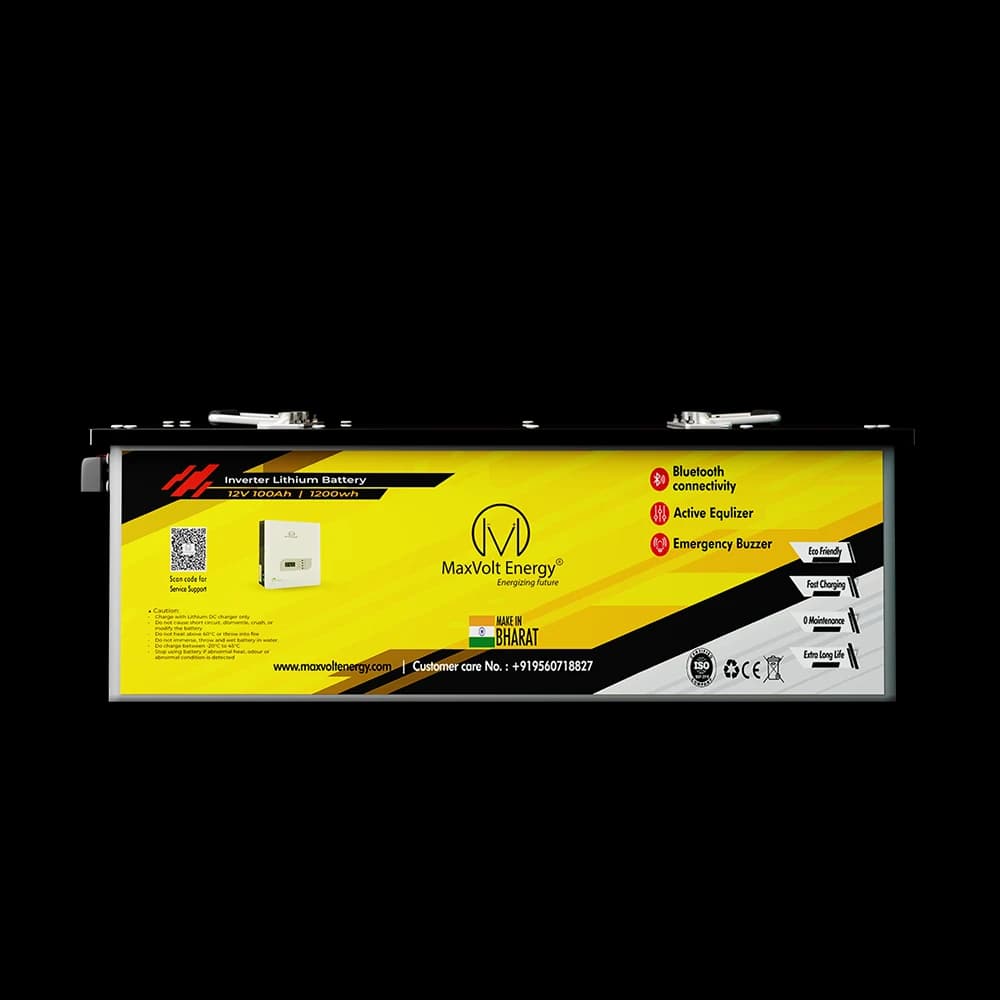
Maintenance requirements differ completely between a tubular lead-acid inverter battery and a lithium one — treating them the same either wastes effort or, worse, damages the battery. Here's what each actually needs.
Tubular / flooded lead-acid maintenance
Check electrolyte level every 4-6 weeks and top up with distilled water only (never tap water or acid) when levels drop near the lower marking — overfilling causes acid to overflow during charging and corrode terminals. Keep the battery in a ventilated area, since charging releases hydrogen gas. Clean terminals of white/green corrosion with a baking-soda-and-water solution, then apply petroleum jelly to slow future buildup.
Avoid letting the battery sit fully discharged for extended periods — deep, prolonged discharge is the single most common cause of premature tubular battery failure. If you're away for weeks, have someone run the inverter periodically or keep it on float charge.
Lithium (LiFePO4) inverter battery maintenance
There's no water top-up and no terminal corrosion to manage — the entire pack is sealed and managed by an internal Battery Management System (BMS) that handles cell balancing automatically. The main thing to avoid is exposing the battery to extreme heat (direct sun, poorly ventilated enclosed spaces) since sustained high temperature accelerates degradation in any lithium chemistry, even LiFePO4's relatively heat-tolerant one.
If your model has app monitoring (Maxvolt's inverter battery does), periodically check the reported cell voltages and temperature — a persistent imbalance or unusual heat reading is worth raising with support before it becomes a bigger issue.
Habits that add years to any inverter battery
Avoid running the inverter at a load close to its rated maximum for extended periods — sustained near-max load stresses any battery chemistry. Let a fully-discharged battery recharge fully before the next discharge cycle rather than repeatedly partial-cycling from low. And keep the battery area free of dust buildup around vents/terminals, which traps heat.
Frequently Asked Questions
Can I use tap water to top up my inverter battery?
No — always use distilled or de-ionized water. Tap water contains minerals that contaminate the electrolyte and accelerate internal corrosion, shortening battery life significantly.
Does a lithium inverter battery need any maintenance at all?
No routine maintenance is required — no water, no terminal cleaning. The main care point is avoiding sustained high-heat locations and following the manufacturer's charging guidance.
How often should I check my tubular battery's water level?
Every 4-6 weeks under normal use, more frequently in hot climates or with heavy daily cycling, since higher temperatures and deeper discharge both increase water loss during charging.
Have a Question About Inverter Battery Maintenance Guide?
Talk to our team for sizing help, pricing, or technical guidance — no obligation.