Car Battery Price & Buying Guide
How car battery prices work in India, and how to buy the right one without overpaying.
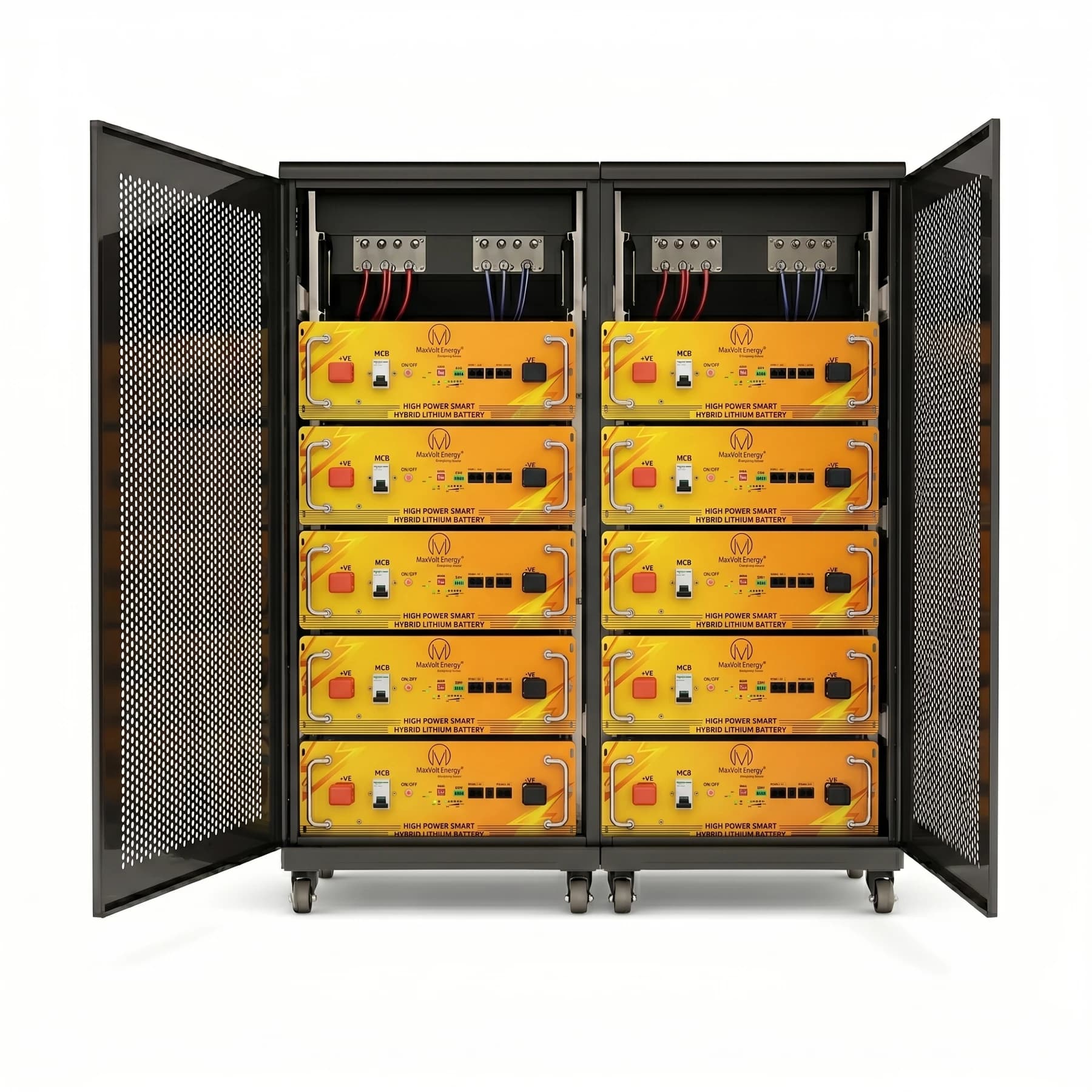
Note: Maxvolt Energy manufactures lithium batteries for EVs, e-rickshaws, solar and home inverters — we do not currently manufacture starter batteries for petrol/diesel cars, which almost universally use lead-acid (SMF/AGM) chemistry. This guide is independent, educational content to help you buy the right car battery, whichever brand you choose.
Car battery price in India typically ranges from roughly ₹3,500 to ₹12,000+ depending on group size, brand, and chemistry (SMF vs AGM). Most of that spread comes down to three things: the physical size/capacity your car needs, the battery chemistry, and the warranty term.
What determines your car's battery size
Every car has a manufacturer-specified battery group size (e.g., 35B20L, 55D23L) based on its physical dimensions, terminal layout, and cold-cranking amps (CCA) requirement. This is not optional — a battery with insufficient CCA can struggle to start the engine in cold weather or with a diesel engine's higher compression, and one that's oversized may not fit or may overload the alternator's charging circuit.
Always check your owner's manual or the battery currently fitted for the exact group size before comparing prices — comparing a small hatchback battery's price to a large SUV/diesel battery's price is comparing different products.
SMF vs AGM: the chemistry price gap
Standard SMF (sealed maintenance-free lead-acid) batteries are the default fitment for most petrol cars and cost less. AGM (Absorbent Glass Mat) batteries cost roughly 40-80% more but are required for cars with start-stop technology, since they handle the much higher cycle count of frequent engine restarts far better than SMF.
Fitting a cheaper SMF battery in a start-stop car (to save money) typically fails prematurely and can trigger dashboard warnings — it's not a safe way to cut cost. Check your car's fitment requirement, not just the socket size.
What warranty length actually tells you
Indian car battery warranties typically run 18-60 months, often split into a 'free replacement' period and a prorated period after. A longer free-replacement window is a genuine value signal — it reflects the manufacturer's own confidence and directly reduces your risk. Always get the warranty card stamped by the dealer/installer at purchase; an unstamped card is often rejected for claims.
Where lithium fits (and doesn't) in the passenger car market
Lithium starter batteries for petrol/diesel cars exist but remain a small niche in India, mainly in performance/racing contexts, due to cost and the fact that stock alternators and voltage regulators are tuned for lead-acid charging curves. For the mass car market, lead-acid (SMF/AGM) remains the practical standard.
Lithium's real advantage in the Indian vehicle-battery market today is in electric vehicles — e-rickshaws, e-scooters and e-cycles — where it replaces lead-acid entirely rather than just starting an engine. See our EV battery guide for that comparison.
Frequently Asked Questions
Why do car battery prices vary so much between brands for the same size?
Plate quality, grid alloy composition, factory quality control and brand warranty terms all differ, even within the same physical group size. A longer, unconditional warranty is usually the most reliable price-quality signal available to a buyer without lab equipment.
Does Maxvolt Energy sell car batteries?
No. Maxvolt manufactures lithium batteries for e-rickshaws, e-scooters, e-cycles, home inverters and solar/BESS storage — not lead-acid starter batteries for petrol/diesel cars.
Is a higher CCA rating always better?
No — match the CCA to your manufacturer's specification. Significantly exceeding it doesn't meaningfully improve starting performance and typically means a larger, heavier, more expensive battery than your car needs.
How long does a car battery actually last in Indian conditions?
Typically 2-4 years, shorter in consistently high-heat regions since heat accelerates the internal chemical degradation of lead-acid batteries — one reason warranty terms in India tend to be shorter than in cooler climates.
Have a Question About Car Battery Price & Buying Guide (India)?
Talk to our team for sizing help, pricing, or technical guidance — no obligation.