LiFePO4 Battery Lifespan & Cycle Life
What determines a LiFePO4 battery's cycle life and calendar lifespan, and how to maximize it.
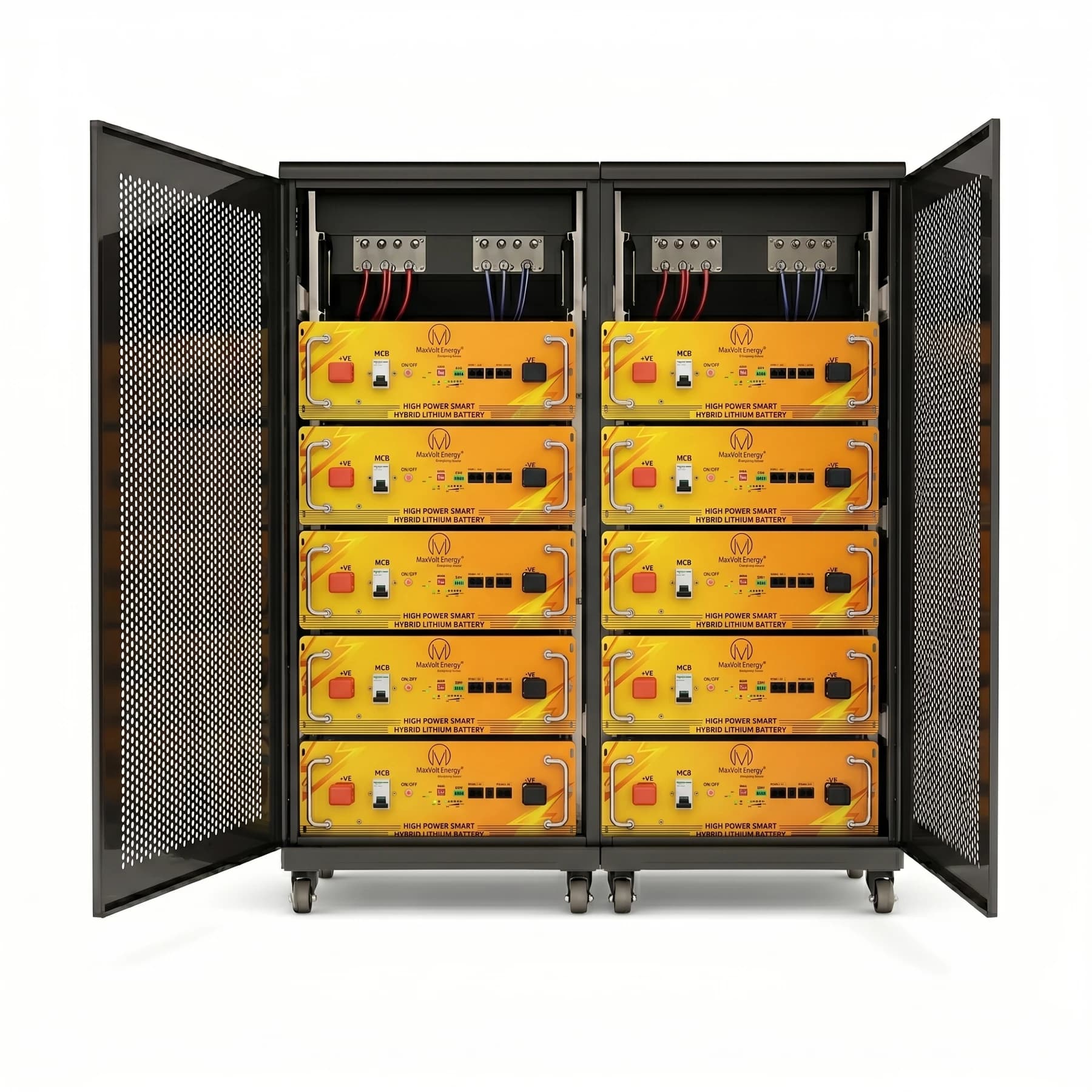
"Cycle life" and "lifespan" are related but different measures. Cycle life is how many full charge-discharge cycles a battery can handle before capacity drops to a defined threshold (commonly 80%); calendar lifespan is how many years it lasts regardless of use, since chemical aging happens even in storage. LiFePO4 typically leads other lithium chemistries on both counts.
Why LiFePO4 outlasts other common battery chemistries
LiFePO4's crystal structure is inherently more stable than NMC or standard lead-acid chemistry, resisting the degradation mechanisms (electrode structural breakdown, electrolyte decomposition) that reduce capacity over repeated cycling. This is why LiFePO4 typically achieves 2,000-3,500+ cycles versus roughly 300-500 for lead-acid and somewhat fewer than LFP for many NMC formulations, though NMC compensates with higher energy density.
The four factors that most affect real-world lifespan
Depth of discharge (DoD): shallower regular discharges (e.g., 50% instead of 100%) meaningfully extend cycle count versus consistently full discharges. Temperature: sustained heat accelerates chemical aging — keeping a battery cool extends both cycle and calendar life. Charge rate: consistently fast charging generates more heat and stress than moderate charging speeds. Storage state: for long-term storage, keeping a lithium battery at roughly 40-60% charge (not full, not empty) minimizes calendar aging.
What 'end of life' actually means
A battery reaching its rated cycle count hasn't failed — it's typically reached ~80% of its original capacity, meaning it still works but holds somewhat less charge and delivers somewhat less range/backup time than when new. Many batteries continue functioning well beyond this threshold, just with gradually reduced capacity, rather than stopping abruptly.
Frequently Asked Questions
How many years does a LiFePO4 battery actually last?
Typically 8-10+ years under moderate daily use, though this varies with charging habits, temperature exposure and depth of discharge — a battery cycled gently and kept cool will outlast one used harshly in high heat.
Does partial charging damage a LiFePO4 battery?
No — unlike some older battery chemistries, LiFePO4 has no meaningful 'memory effect' and handles partial charge/discharge cycles well; in fact, avoiding consistently full 100% discharges tends to extend cycle life.
Is it bad to leave a LiFePO4 battery fully charged all the time?
Sustained storage at 100% charge, especially in heat, accelerates calendar aging somewhat more than storage at a partial charge — for batteries not in daily active use, a mid-range charge level is gentler for long-term storage.
Have a Question About LiFePO4 Battery Lifespan & Cycle Life Explained?
Talk to our team for sizing help, pricing, or technical guidance — no obligation.