EV Battery Thermal Management System
Why temperature control matters inside an EV lithium battery, and how it actually works.
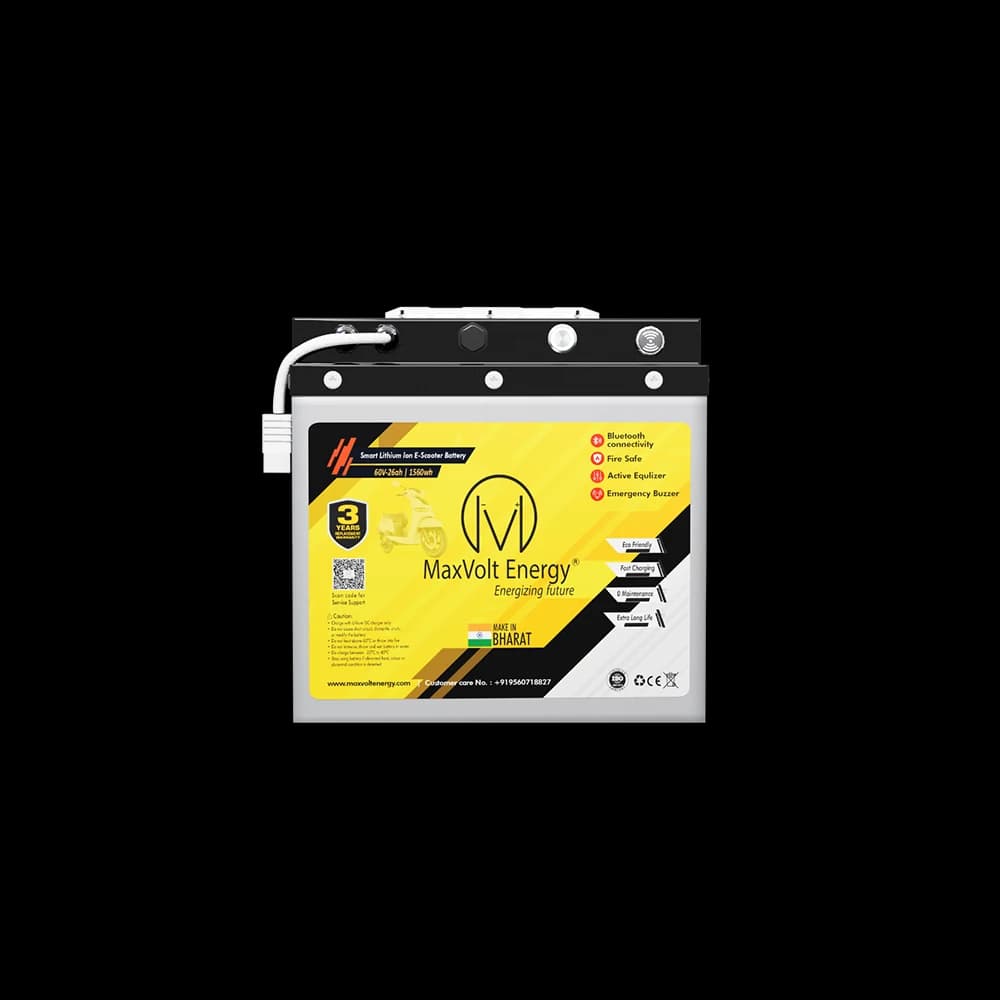
Lithium-ion batteries perform best and last longest within a specific temperature range — too cold and chemical reactions slow, reducing power and range; too hot and degradation accelerates, with extreme cases risking thermal runaway. A Battery Thermal Management System (BTMS) is the set of design features that keep a pack within its safe, efficient operating window.
Why temperature matters so much for lithium chemistry
Every 10°C of sustained excess heat roughly doubles the rate of chemical degradation inside a lithium cell — this is why a battery used in a hot climate or poorly ventilated enclosure ages faster than an identical battery in moderate conditions. India's climate, with sustained high ambient temperatures across much of the country for months at a time, makes thermal management a genuinely important design consideration, not a nice-to-have.
How thermal management works in practice
Passive approaches use enclosure design, material choices and physical spacing between cells to manage heat dissipation without additional components — common in smaller EV packs like e-scooter and e-rickshaw batteries. Active approaches add cooling (air or liquid) for larger packs with higher heat generation, such as electric cars or large stationary storage systems. The BMS also plays a role, monitoring cell temperatures and limiting or halting charge/discharge if temperatures exceed safe thresholds.
What to look for as a buyer
Ask whether the battery's BMS includes active temperature monitoring and protection cutoffs (most reputable lithium EV batteries do), and consider your vehicle's typical operating and storage environment — a vehicle parked in direct sun for hours daily benefits more from good thermal design than one stored in shade or indoors.
Frequently Asked Questions
Do e-scooter and e-rickshaw batteries need active cooling?
Most use passive thermal management (enclosure and cell-spacing design) combined with BMS temperature monitoring, which is generally sufficient for their size and power levels — active liquid cooling is more common in larger packs like electric cars.
What happens if a lithium battery gets too hot?
A well-designed BMS will limit or stop charging/discharging before temperatures reach dangerous levels. Sustained high heat without such protection accelerates degradation and, in extreme uncontrolled cases, can lead to safety incidents — which is why BMS thermal protection is a critical safety feature, not just a performance one.
Does cold weather damage lithium batteries?
Extreme cold temporarily reduces available power and charging speed (the chemistry slows down) but doesn't typically cause the same degradation risk as sustained heat — performance generally recovers as the battery warms to normal operating temperature.
Have a Question About EV Battery Thermal Management System Explained?
Talk to our team for sizing help, pricing, or technical guidance — no obligation.