Maxvolt vs Exide: An Honest Comparison
A chemistry-based comparison of Maxvolt lithium batteries and Exide's lead-acid range — where each makes sense.
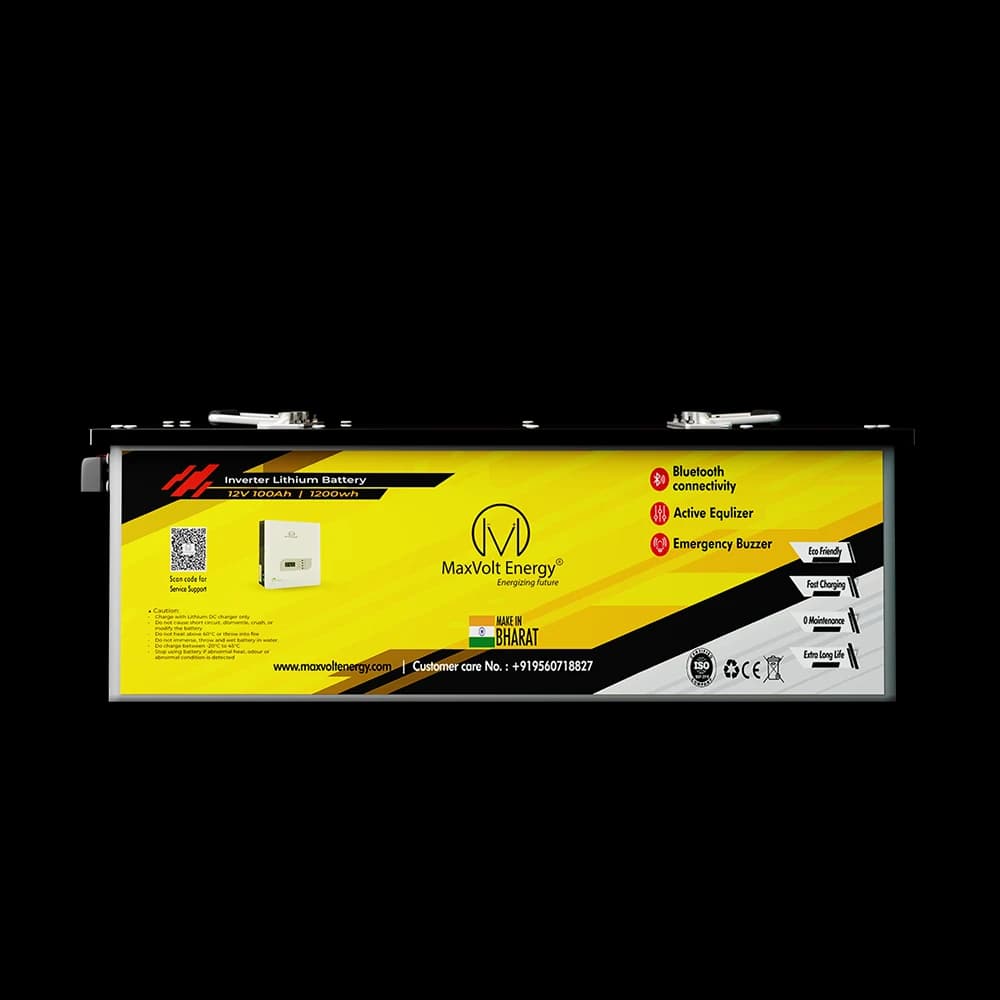
Exide is one of India's oldest and largest lead-acid battery manufacturers, with deep roots in automotive starter batteries and tubular inverter batteries. Maxvolt Energy manufactures lithium (LiFePO4/NMC) batteries for EVs, solar storage and modern inverter backup. They're not direct substitutes in every category — this comparison is about where each is the stronger fit.
Where the comparison is direct: home inverter batteries
Exide's tubular inverter batteries are lead-acid — proven, widely available, and typically the lower upfront cost. Maxvolt's Home Inverter Battery is lithium LiFePO4, compatible with Exide and other major inverter brands, delivering 3,000+ cycles versus a tubular battery's typical 1,000-1,500, zero water maintenance, and mobile-app monitoring.
If upfront budget is the primary constraint and you don't mind monthly water top-ups, a tubular lead-acid battery remains a reasonable choice. If total cost of ownership over 8-10 years and maintenance-free operation matter more, lithium's higher upfront cost is typically recovered through fewer replacements.
Where they don't directly compete: EV & automotive
Exide is a major automotive SMF/AGM starter-battery manufacturer for petrol/diesel vehicles — a category Maxvolt does not operate in. Maxvolt's lithium batteries power e-rickshaws, e-scooters and e-cycles — EV traction batteries, not starter batteries. These are fundamentally different products serving different vehicle categories.
Certification and warranty — check both, regardless of brand
Both categories of battery require different certifications: AIS 156 for EV lithium batteries (Maxvolt holds this), and BIS/automotive standards for lead-acid starter batteries. Compare warranty terms in writing for your specific product and use case — don't assume identical coverage across categories from any brand.
Frequently Asked Questions
Is Maxvolt cheaper than Exide?
It depends on the category — Exide's lead-acid batteries typically have a lower upfront price than Maxvolt's lithium batteries, but the comparison changes over the product's full lifespan given lithium's longer cycle life and lower maintenance cost. There is no single answer across every product category.
Can I replace my Exide tubular inverter battery with a Maxvolt lithium battery?
Yes, in most cases — Maxvolt's lithium inverter batteries are designed for compatibility with major inverter brands including those commonly paired with Exide batteries. Confirm your inverter's voltage compatibility before switching.
Does Exide make lithium batteries?
Exide is historically known primarily for lead-acid batteries; check their current product range directly for any lithium offerings, as manufacturer lineups change over time.
Have a Question About Maxvolt vs Exide Battery: An Honest Comparison?
Talk to our team for sizing help, pricing, or technical guidance — no obligation.