How to Increase Battery Backup Life
Practical, chemistry-appropriate habits that genuinely extend a battery's usable backup life.
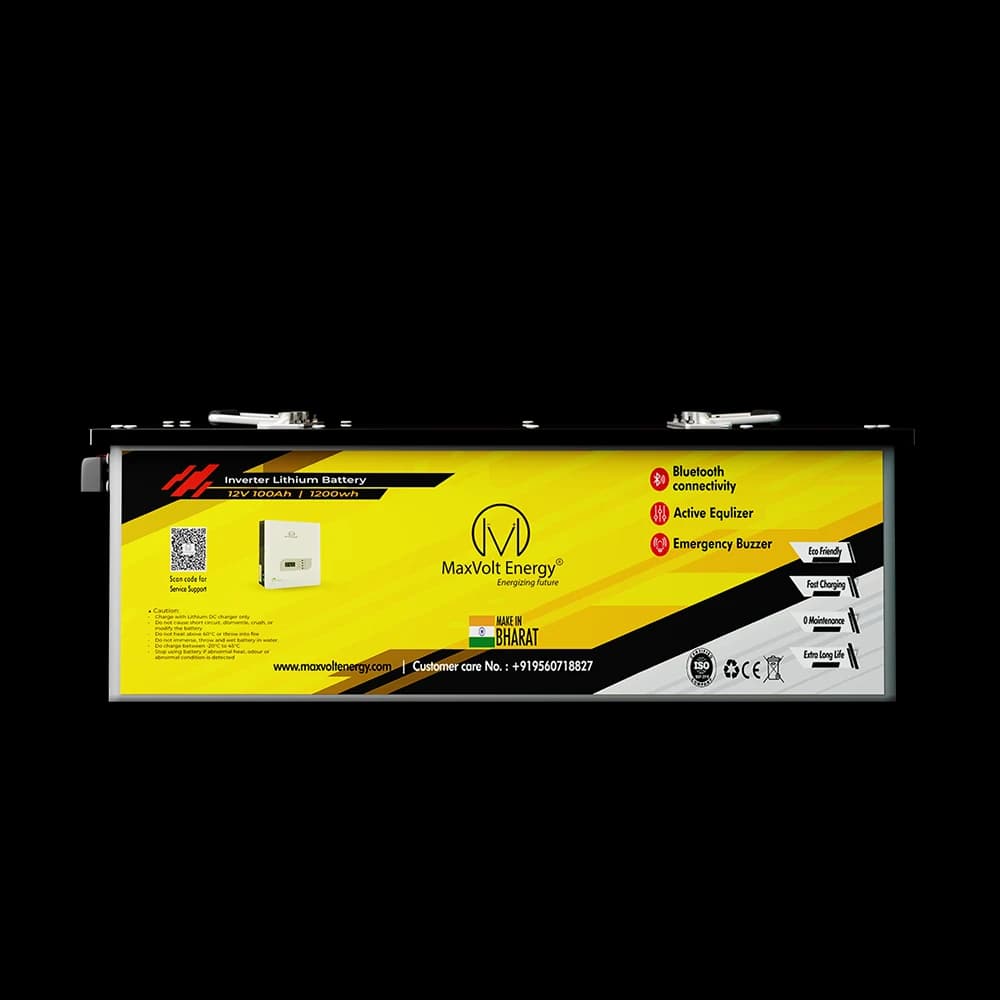
"Backup life" declining over time is normal for any battery chemistry — but how fast it declines is heavily influenced by usage habits. These are the practices that make a measurable, real difference, separated from myths that don't.
Habits that genuinely help (any chemistry)
Avoid consistently deep-discharging the battery to near-zero before recharging — shallower regular discharges extend cycle life for both lead-acid and lithium chemistries, though the effect is more pronounced for lead-acid. Keep the battery in a moderate-temperature, ventilated location, since sustained heat accelerates degradation regardless of chemistry. Avoid running connected loads consistently near the inverter's maximum rated output for extended periods.
Lead-acid specific: water top-ups and full recharge cycles
Top up with distilled water only when needed, and let the battery recharge fully after a discharge rather than repeatedly partial-cycling — lead-acid batteries left in a partially discharged state for extended periods can develop sulfation, a chemical process that permanently reduces capacity.
Lithium specific: avoid extremes, use monitoring if available
Lithium doesn't need full recharge cycles the way lead-acid does — partial charging is fine and doesn't cause a 'memory effect.' The main things to avoid are sustained high heat exposure and, for long-term storage (not daily use), leaving the battery at 100% charge for extended periods — a mid-range charge is gentler for storage. If your battery has app monitoring, periodically check for cell voltage imbalance as an early warning sign.
Frequently Asked Questions
Does fully draining a battery before recharging make it last longer?
No — this is a myth left over from older nickel-based battery chemistries with a genuine memory effect. Both lead-acid and lithium generally last longer with shallower, more frequent discharge cycles rather than habitual full drains.
Does unplugging the inverter when not needed help battery life?
It reduces unnecessary charge cycling in some setups, but the bigger factors are avoiding deep discharge, avoiding sustained heat, and not overloading the inverter — unplugging alone has a smaller effect than these habits.
Can I do anything to reverse capacity loss that's already happened?
No — capacity loss from normal aging is generally not reversible. The habits above slow future degradation but don't restore capacity already lost.
Have a Question About How to Increase Battery Backup Life?
Talk to our team for sizing help, pricing, or technical guidance — no obligation.