UPS Buying Guide
UPS types, sizing and battery chemistry explained — how to choose the right system.
A UPS (Uninterruptible Power Supply) protects sensitive electronics from power interruptions with instant, seamless switchover — different from a standard home inverter, which typically has a brief switchover delay. Choosing the right one means matching UPS type, capacity and battery chemistry to what you're protecting.
UPS types: which one do you need?
Offline/Standby UPS switches to battery only when it detects a power failure, with a small delay (a few milliseconds) — adequate for basic desktop protection but not for the most sensitive equipment. Line-Interactive UPS regulates voltage fluctuations without switching to battery, offering better protection against brownouts/surges. Online (double-conversion) UPS continuously runs equipment from the battery/inverter path, providing zero-transfer-time protection — the standard for servers, medical equipment and other critical loads that cannot tolerate even a momentary interruption.
Sizing: VA vs Watts
UPS capacity is rated in VA (volt-amps), which isn't the same as watts — the ratio (power factor) is typically around 0.6-0.8 for consumer UPS units. A 1000VA UPS at 0.7 power factor delivers roughly 700W of real usable power — check both figures against your equipment's actual wattage draw, not just the VA rating alone.
Battery chemistry inside the UPS
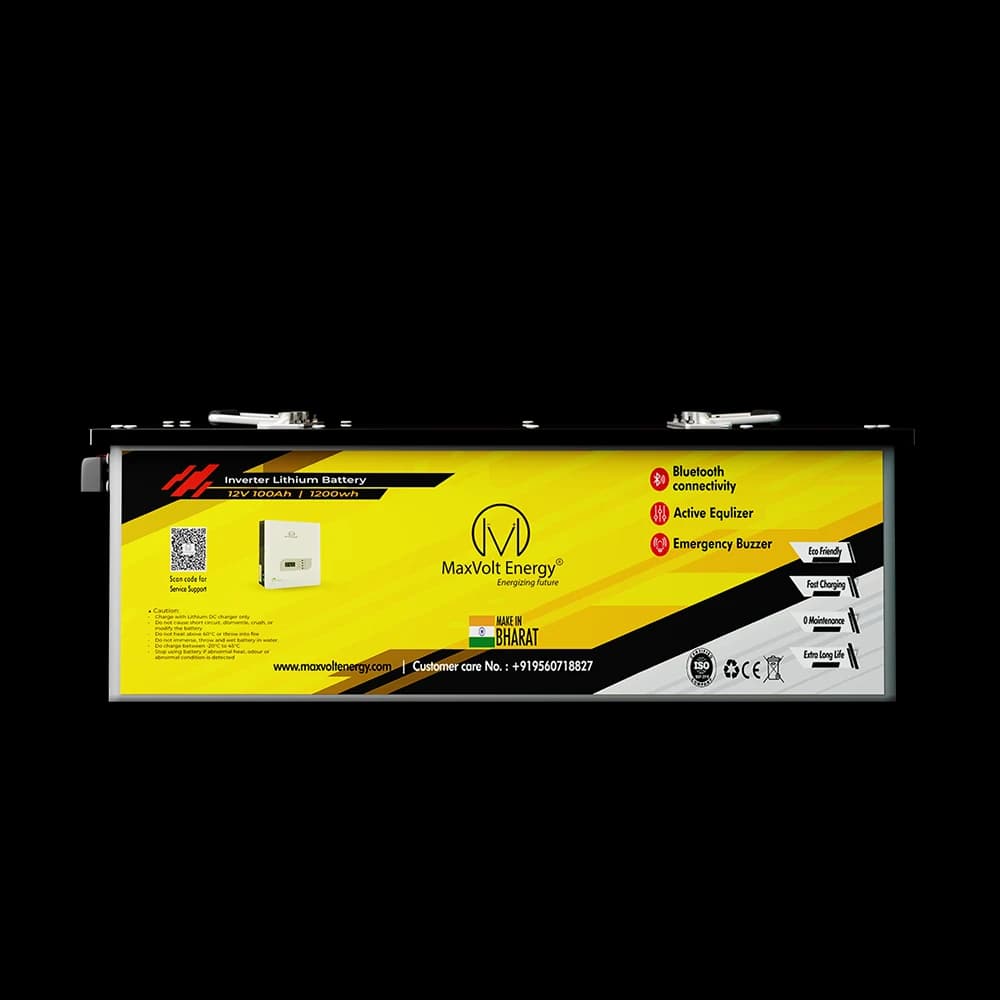
Most consumer UPS units ship with sealed lead-acid (SLA/VRLA) batteries — reliable but with a typical 3-5 year replacement cycle and gradually declining backup time as they age. Lithium-battery UPS units, or lead-acid UPS units retrofitted with a compatible lithium battery, offer longer service life and more consistent backup duration over time, at a higher upfront cost.
Frequently Asked Questions
Do I need an online UPS for home use?
Usually not — a line-interactive UPS is generally sufficient for home electronics and provides good protection against common voltage issues at a lower cost. Online UPS is typically reserved for servers, medical equipment or other zero-tolerance critical loads.
How do I convert VA to watts for UPS sizing?
Multiply the UPS's VA rating by its power factor (commonly 0.6-0.8 for consumer units, check the specific product) to estimate real usable watts — then compare against your equipment's actual wattage draw.
Can I replace my UPS's lead-acid battery with lithium?
In some cases yes, if the UPS's charging circuit is compatible with lithium's different charging profile — check with the manufacturer or a qualified technician before attempting a chemistry swap, since an incompatible charger can damage a lithium battery or fail to charge it correctly.
Have a Question About UPS Buying Guide (India)?
Talk to our team for sizing help, pricing, or technical guidance — no obligation.